


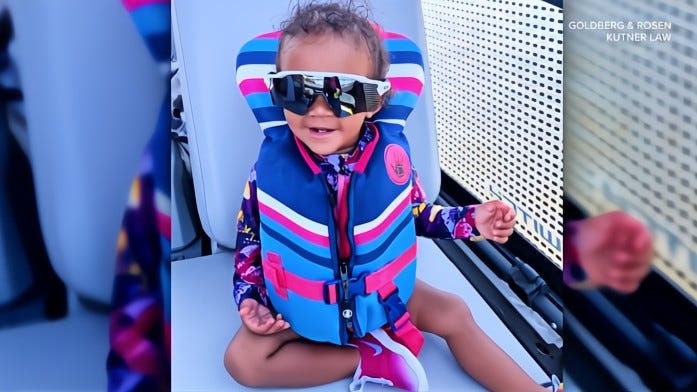
The August 2024 boating accident that left a Clay County girl with brain damage for life began the scrutiny that has now lead to a pair of federal class-action lawsuits against the boatbuilder.
The accident, which happened at the confluence of Black Creek and the St. Johns River, led to 18 months of bad headlines and legal moves.
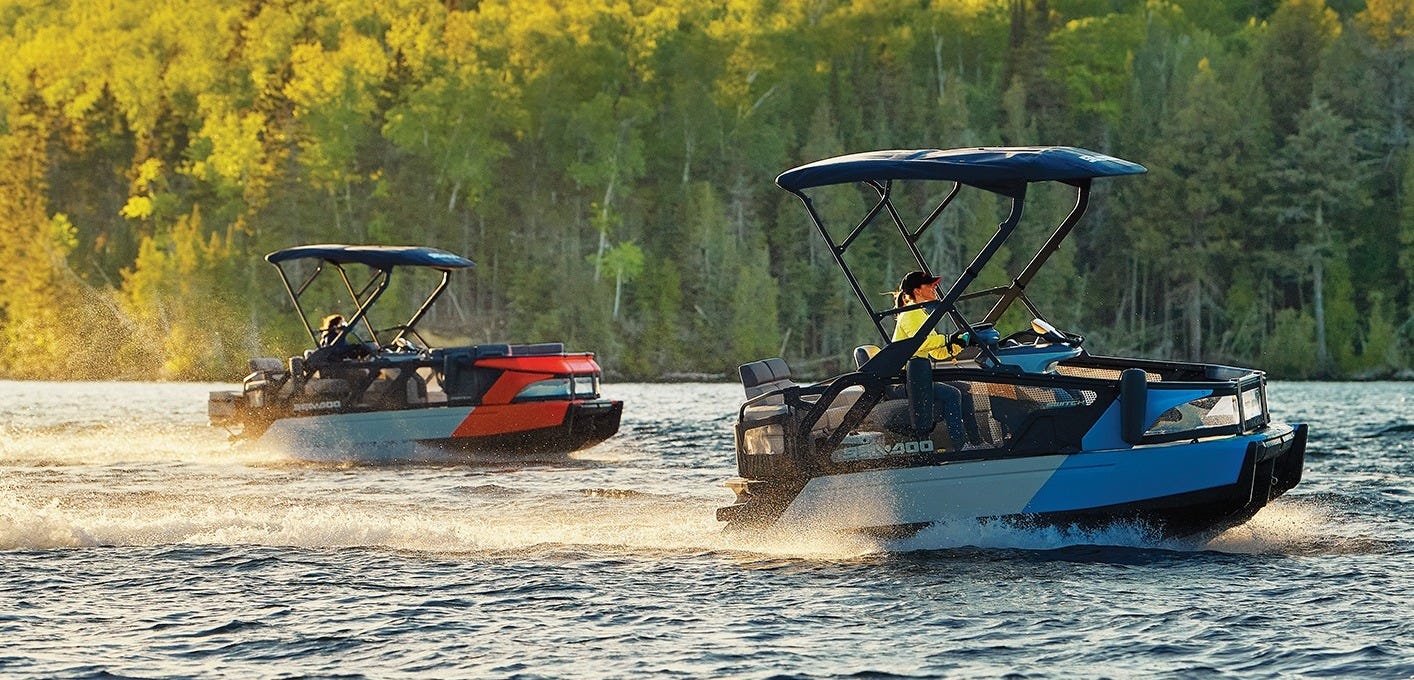
Two separate Florida legal teams recently filed suit against BRP, the manufacturer of the Sea-Doo Switch, the jet powered pontoon boat with a propensity for flipping over forward. These are class-action suits seeking to present all Switch buyers throughout the country.
The family of William Grullon—a local car detailer—was coming back from a day on the water when their 13-foot Switch flipped forward, trapping daughter Vianca, 16 months old at the time, beneath the overturned boat for more than 10 minutes.
Last year, her family filed a $30 million lawsuit in the Circuit Court of Duval county, seeking compensation for her “catastrophic anoxic brain injury.” This personal injury case is separate and distinct from the class-action suits, though they share the same claims about “defective design.”
“What BRP did not disclose to consumers—at all— is that the Switch boats feature defective designs that render them completely unsafe, unfit for normal use, and essentially floating death traps,” wrote Attorney Stuart Davidson, on behalf of a team of Florida lawyers who filed the latest of two class-action suits on July 17.
In seeking compensation for all Switch buyers, the July 17 lawsuit also alleged that the Canadian company’s marketing targeted people least able to pilot watercraft safely to begin with:
BRP’s acts and practices were unfair because they were immoral, unethical, oppressive, unscrupulous, and substantially injurious to consumers. BRP knew that the Switch boats were being purchased and used by a particularly vulnerable group of people, including first-time boat owners and families; knew that consumers would naturally assume the Switch boats were safe for normal use; and knew that the Switch boats were not, in fact, safe or fit for use because of the defects.
The suit was filed in U.S. District Court in Gainesville, Florida, representing Ariana Maria Renee Adkins of Archer as the named plaintiff. If the court approves the suit as a class-action, all Switch owners will be added.
The Adkins case comes on the heels of the other class-action lawsuit filed in U.S. District Court in Miami on June 25, seeking to represent all Switch owners. This team of Florida lawyers includes the firm of Goldberg & Golden, which also represents the Grullon family in their state case.
The personal-injury suit and both class-actions make the same argument: A design flaw allowed water to get inside Switch hulls, which tended to shift forward on deceleration, plunging the boat’s bows into the water and causing it to flip.
That second class action—the one filed at Gainesville—also alleges that the same water intrusion created a host of other problems, including corrosion, engine damage, electrical failures, propulsion loss, fault codes and near-sinking events.
Both class-action suits also allege that three BRP corrective actions—sealant repair in February 2025, a gasket repair in October 2025 and software throttle control measure in May 2026—all failed to fix problems caused by poor hull design.
Besides injuries to Vianca Grullon, four Switch passengers have died after a forward flip. In October, the U.S. Coast Guard declared that these vessels presented a “capsizing hazard.”
“These capsizings have occurred when the vessel was operated with trim by the bow and the bow ‘digging into’ the water. Weather conditions and poor seamanship do not appear to be significant contributing factors,” Coast Guard investigators wrote.
The compensation theory for both suits is the monetary harm to Switch buyers, who paid top dollar for a boat, which has lost resale value as the world has learned of its hithertoo undisclosed safety issues.
When two class-action lawsuits are filed making the same claims against the same company, the courts usually try to stop wasted effort and messy rulings. The judges may consolidate the cases into one single lawsuit, pause one case until the other finishes, or dismiss the duplicate filing.