


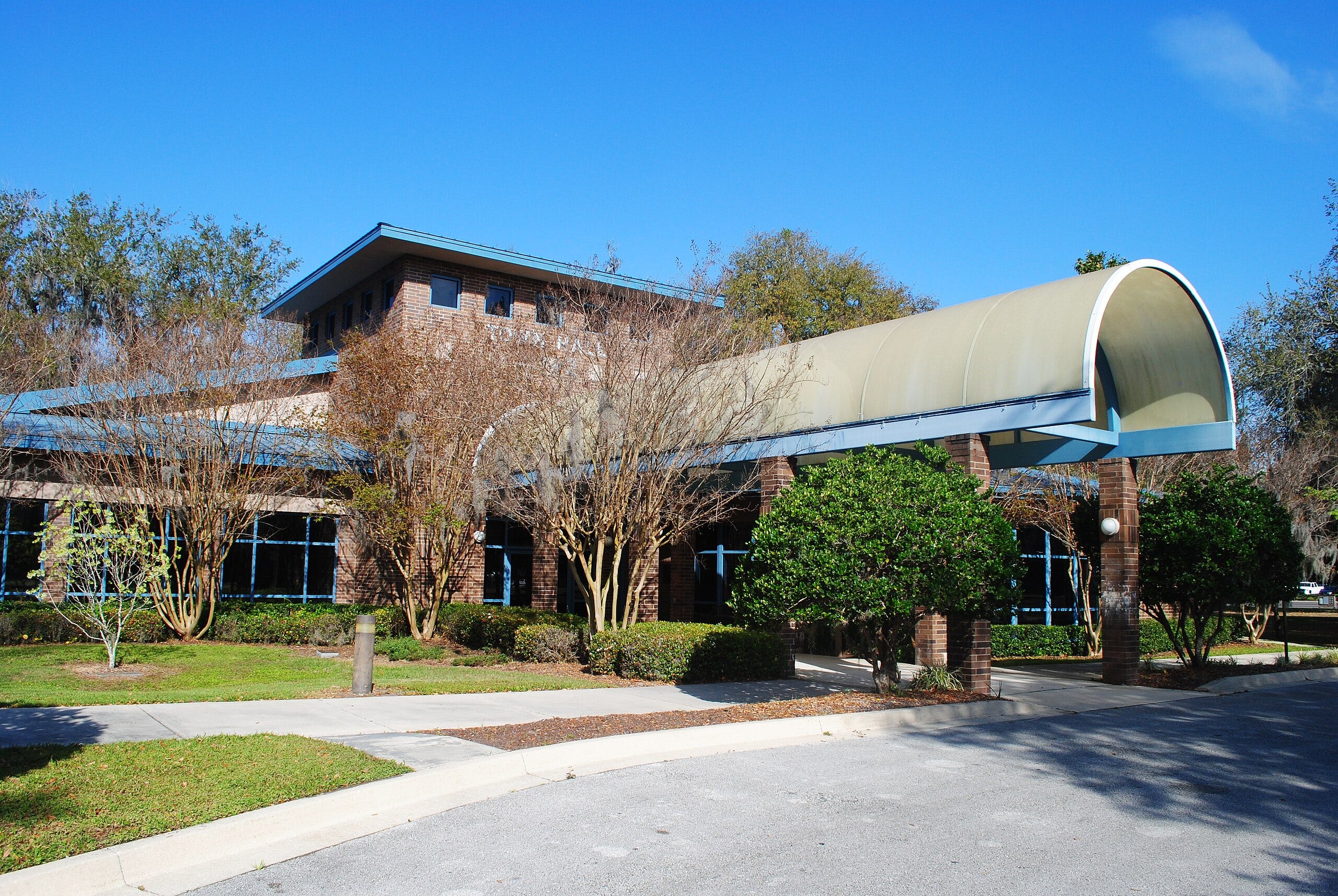
ORANGE PARK, Fla. — During the Town Council meeting on Tuesday, January 6, 2026, members of the Orange Park Town Council engaged in a detailed and often skeptical discussion about adopting Flock Safety’s automated license plate recognition (ALPR) cameras. The technology was pitched as a powerful tool for law enforcement, but raised significant privacy and oversight concerns among council members and citizens.
A representative from the Atlanta-based Flock Safety, former Cleveland city council member Kerry McCormack, delivered an extensive presentation highlighting the system’s features. Flock’s solar-powered cameras, installed in public rights-of-way, capture images of vehicle rears—including license plates, make, model, color, and other non-personal details—to assist police in solving crimes.
The company claims the technology helps solve over 2,000 crimes daily nationwide, with more than 160 Florida agencies already using it—including over 90 cameras in Clay County—and has supported high-profile cases like child abductions and homicides.
Despite these assurances, council members raised pointed questions that reflected deeper unease about surveillance, data security, and the risks of a private company handling sensitive information.
Council members questioned the scope of the technology, noting that Flock patents mention capturing “body characteristics,” which appeared to conflict with claims of vehicle-only focus. McCormack clarified that the core ALPR system captures point-in-time photos of vehicle rears only, while separate products (such as Falcon or Condor cameras) handle live monitoring. Concerns also extended to Flock’s partnership with Ring cameras, allowing opt-in sharing of private footage during nearby crimes—a feature not highlighted in the presentation.
The Town of Orange Park’s process has been remarkably transparent, allowing council members and the public time to learn about the cameras and debate their pros and cons. It is a stark contrast to the veil of secrecy used by the Clay County Sheriff’s Office, which installed over 90 Flock cameras in 2023 with no public hearings or discussion.
Clay Sheriff Implements $1.3 Million Surveillance Camera Network

This article has been updated to reflect information provided by Flock Safety.
Data security emerged as a major flashpoint. Members worried about the lack of full two-factor authentication adoption (97% of customers use it), the potential for public or unauthorized access to images during the 30-day retention window, and the fact that data resides on Flock’s cloud servers rather than local ones. One council member referenced a viral incident in which a hacker accessed camera factory settings, asking how residents could be assured of protection against breaches. McCormack responded that Flock has never been hacked at the community data level, treats public-place photos with high security standards, and provides detailed audit logs of all access.
Florida-specific issues drew attention as well. Under state law (Florida Statute 316.0777), ALPR data is exempt from public records requests when it contains personal information and can be used only for active criminal investigations. The town attorney confirmed these exemptions but suggested adding cybersecurity insurance to any contract for added protection.
Skepticism about the company’s private, for-profit status was evident. Council members pointed to a former Flock board member’s involvement in a major privacy scandal at a large social media firm, arguing that “things happen” despite transparency promises. There were also worries about long-term risks: if Flock becomes financially unstable, is acquired, or faces pressure, could data policies change or information be sold? McCormack stressed that contracts lock in terms, with periodic renewals allowing review, and encouraged local policies to be codified by the council.
Additional concerns included potential for abuse or expansion of surveillance, false positives leading to wrongful stops (despite 94%+ accuracy), and whether long-term crime reduction has been proven. Members also asked about data sharing—such as whether town data shared with Clay County could indirectly reach state agencies—and emphasized true local control over Flock-managed servers.
No decision was made on adopting the system. The discussion, which raised more questions than it answered, underscored the ongoing tension between enhanced public safety tools and the protection of civil liberties in Orange Park.
Welcome to the communist/Nazi surveillance state. "Those who would give up essential liberty, to purchase a little temporary safety, deserve neither liberty nor safety." -Benjamin Franklin (1706-1790).
In other places globally they are already spying on everyone. Even just out walking around town. All being done on purpose. Using "law enforcement" for sympathy support.