


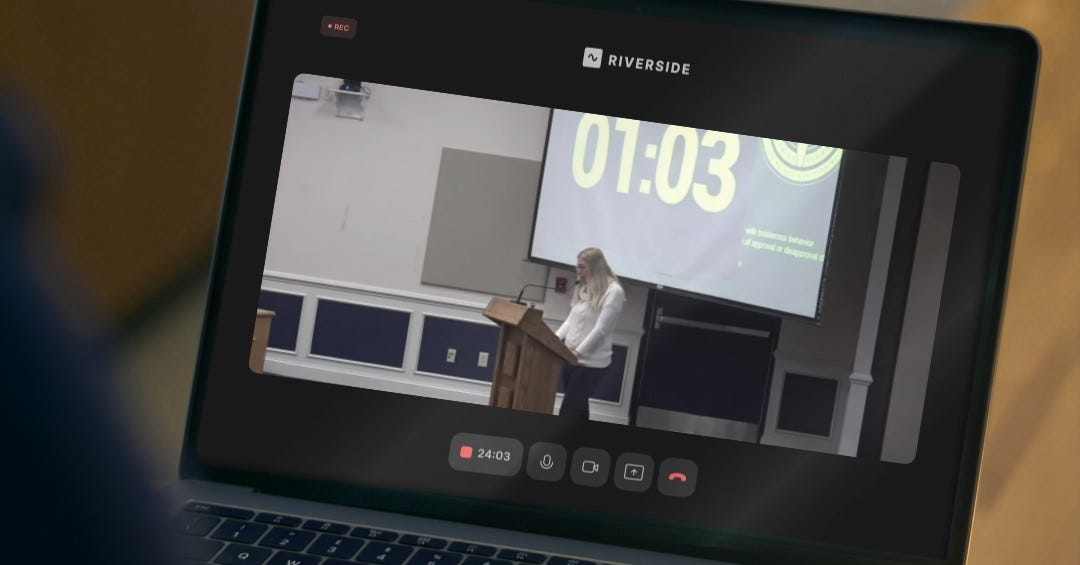
The Clay County School Board held its last meeting of the year on December 11. During the public comments section of the meeting, teachers and other speakers spoke for 39 minutes, mainly about the recently stalled contract negotiations. The full video of the comments is below.
The public comments overwhelmingly focused on dissatisfaction with teacher compensation, particularly the recent impasse hearing outcome, which provided a modest $800 raise to only veteran teachers (those with over 10 years of experience) while offering nothing to newer educators or support staff.
Speakers, including teachers, parents, and community members, repeatedly emphasized the disparity between the board’s acceptance of their own salary increases—up to $1,500 for part-time elected roles—and the minimal or nonexistent support for full-time educators facing financial hardships.
Personal stories highlighted the emotional toll, such as teachers working multiple jobs, struggling with basic expenses like prom dresses or groceries, and even contemplating leaving the profession after decades of service.
Broader systemic issues, such as funding transfers to charter schools and vouchers that drain resources from public education, were cited as root causes, with calls for the board to advocate more aggressively in Tallahassee and to improve budget efficiency to prioritize educators over administrative overhead.
Several comments carried a tone that could be perceived as hostile, directly accusing the board of disrespect, impartiality, and predetermined decisions during the impasse hearing, where prepared statements suggested outcomes were scripted in advance.
Speakers expressed disgust and shame, with phrases like “You should be ashamed of yourself,” “How dare you accept a raise twice what you’re offering teachers,” and “I’m disgusted,” underscoring feelings of betrayal and dismissal. One speaker warned of electoral consequences, citing past board flips and vowing to “do everything in my power” to oust members.
At the same time, another criticized the superintendent for allowing inappropriate books in libraries, demanding accountability for “buying porn for our kids.” These remarks painted the board as out of touch, prioritizing personal gain over the “family” atmosphere the district once had.
Michele Hanson Calls Out The Union
At the end of the meeting, Board Members Michele Hanson and Erin Skipper did something rarely seen at School Board meetings—they responded to some of the comments from attendees.
Hanson, in particular, took umbrage at what she perceived as a disinformation campaign waged by union-affiliated teachers. Hanson, a retired teacher and military spouse, defended the board’s decisions on teacher compensation by sharing her personal journey into teaching and emphasizing her passion for serving children over financial rewards. She argued that most of the district’s 2,700 teachers are content, enjoying the profession’s intrinsic benefits, such as summer and holiday breaks.
While criticizing the speakers for their tone, Hanson’s remarks took on the same heated, adversarial tone. For instance, her dismissal of complaints as coming from only “one percent, maybe” of teachers, while claiming “most of them are happy” based on her personal visits, minimizes the widespread frustrations educators face due to financial hardships.
Statements like “when I put my name on my contract, I knew how much I was getting paid” and “money was not the most important thing when I walked into my classroom” imply that dissatisfied teachers should accept low pay as part of the noble calling, ignoring systemic issues like inflation and living costs.
Her rhetorical questions challenging solidarity—such as asking whether the union (CCEA) gave discounts to members, whether union leader Vicki Kidwell took a pay cut, or whether high-performing schools should redistribute funds—come across as accusatory and defensive, shifting blame rather than acknowledging shared struggles. Additionally, declaring “I’m not going to sit up here and be a punching bag” and questioning why discussions focus solely on money while downplaying it as less important than student outcomes could seem arrogant, portraying critics as misguided or divisive.
Erin Skipper Responds
Board Chairwoman Erin Skipper was the last to speak. While stating she agreed with Hanson, Skipper’s comments took on a more exasperated tone, noting the “danged if you do, danged if you don’t” dynamic in which the board faces criticism regardless of whether they respond. She emphasized her openness to dialogue, noting that she spent six hours that day in conversations with concerned individuals and inviting teachers to call, email, or ask her to come to classrooms for direct discussions.
Defending the budget decisions, she explained the limited $1.2 million available, the commitment to veteran teachers as requested in prior union appeals, and the risks of dipping below a 3% fund balance, which could invite state intervention and eliminate raises. She highlighted the board’s record of providing the highest raises in recent history to address past shortfalls.
Board members Robert Alvero and Beth Clark called for decreased hostility and more dialogue. The fifth board member, Ashley Gilhousen, offered no comments.
Open Invitation From Clay News & Views
In response to the calls from both the speakers and the School Board for more dialogue, Clay News & Views emailed each School Board member and extended an open invitation to record an interview on any topic they believe needs clarification or discussion.
Board members Alvero and Clark have confirmed they will record an interview. Michele Hanson replied, stating she will speak to Clay News & Views “when the plan for teacher pay can be discussed.” Erin Skipper and Ashley Gilhousen have not responded as of the time this story was published.
This isn’t PA, shut up.