

By HISTORICAL ARCHIVES CENTER STAFF
Clay Hill, an area just west of Middleburg, was a very rural place in the 1930s. Farming and logging were the mainstays, along with running the occasional moonshine still.
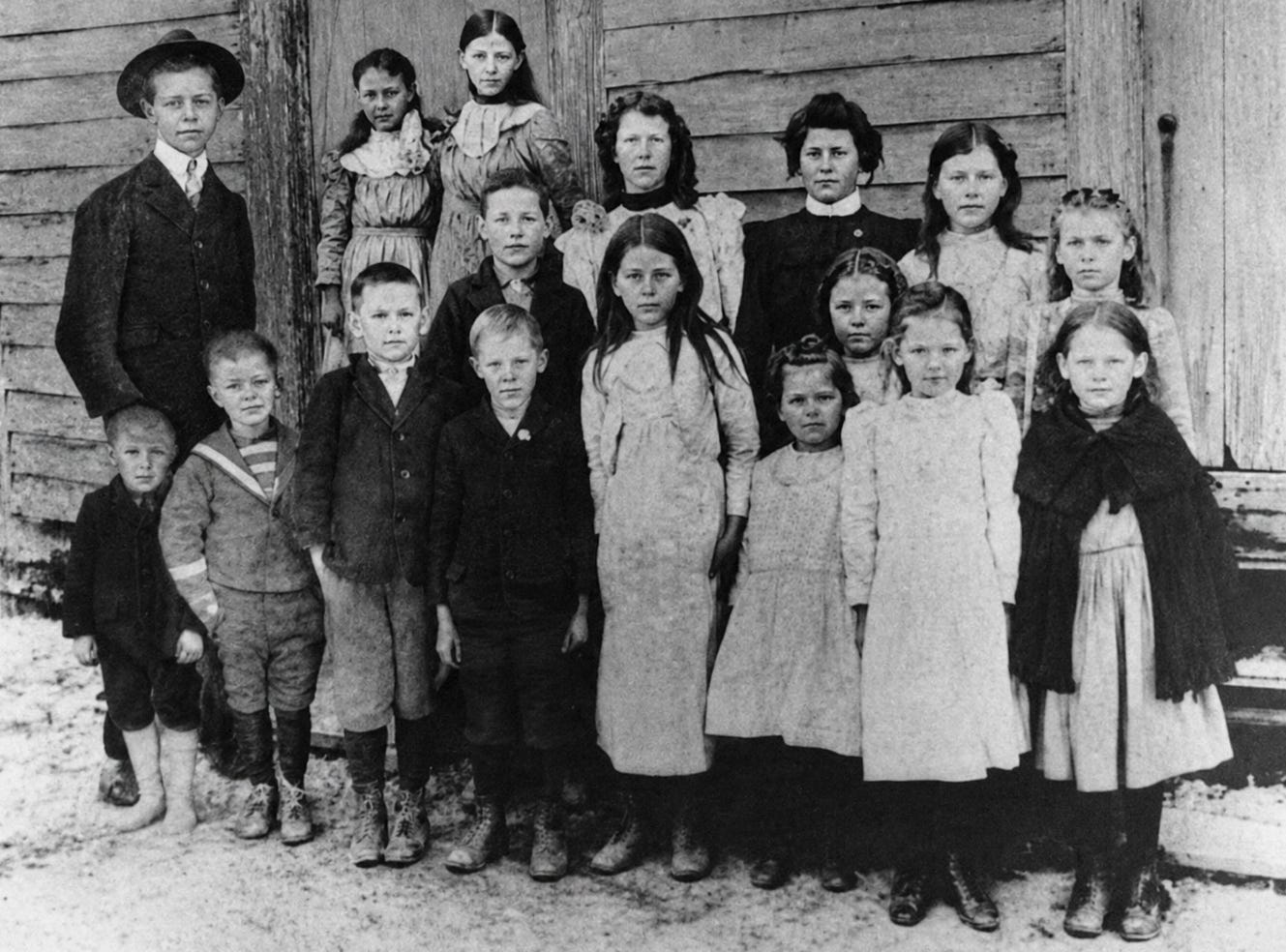
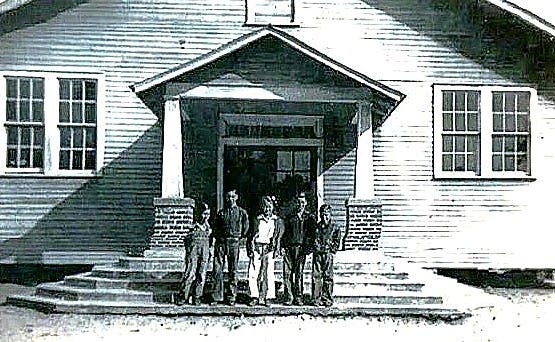
The heart of the community was its school, Clay Hill School. The first version was indeed a one-room schoolhouse. In the 1920’s, a larger four-room schoolhouse was built. It cost $12,000 and was 45 feet by 75 feet.
A sandy road led to the school, but back then dirt roads were the norm for Clay County. Schoolchildren walked to school, some with shoes and some without, and that sand got hot. In the 1950’s, when there were more children living farther away, a school bus would make the rounds picking up and dropping off kids.
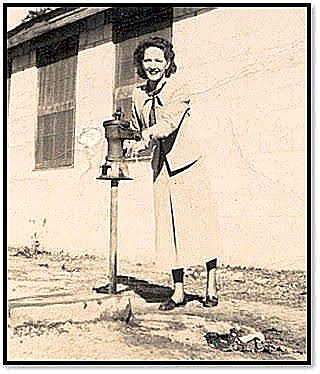
Each student brought a lunch, some in a pail and some in a paper bag. There was a well at the school that provided cool, fresh water. No one was particularly wealthy, so when one student who was slightly better off started bringing sandwiches made with store bought white bread, all the kids wanted to trade lunch with her.
Students had last names like Wilkinson, Hatcher, Mosley, Padgett, Manning, Starling, and Carter. Those families, just to name a few, were the pioneering stock of the Clay Hill, Maxville, and nearby Baldwin areas.
As the center of the Clay Hill community, the school also hosted other functions. It served as a dance hall, church on Sundays, voting precinct, and as political pulpit for local politicians. The political rallies brought folks from far and wide, and all were treated to a “basket dinner,” another name for a potluck. Fried chicken dinners were also a big draw.
The school had a Halloween festival every year, and parents, students, teachers, and community members all participated. Commencement ceremonies were the social highlight of the school year. Aside from the handing out of diplomas, there was music and performances from both the seniors as well as from the underclassman.
In 1949, a former teacher named Miss Lura Burgess described what it was like to live in Clay Hill in the 1940’s:
To me it was a joy to live in peace, quiet, and harmony when all the world is in chaos.…. plenty of sunshine the year round, plenty of Sulphur water to drink, plenty of fresh air, and the turpentine pines throw off a resin which is so soothing to the nerves. Gardens provide fresh green vegetables the year round. Always there are oranges and tangerines. Yes, it’s good living in Clay Hill.
Lura talked about her morning duties before the children arrived. “I built the fire first thing in the morning in the wood stove set in the center of the school classroom,” she said.
She then raised the American flag so the children could see it. “When they came in sight of the school, it’s a sort of lonely ceremony me out there singing by myself as the flag goes up, but it lends inspiration to the day, Lura said.
The Parent Teacher Association (PTA) was particularly active at the Clay Hill School. In 1955, the parents painted the school and erected a new flagpole. Steam heat radiators were installed, warming the school and replacing the wood stove. In 1957, the PTA tiled the cafeteria floor because it had fallen into disrepair.
The school was often used as a landmark for giving directions. For instance, “You pass the schoolhouse on your right then go another ½ mile and take the road heading west,” or, “Go half a mile south of the schoolhouse and you’ll see my place on the left.”
The schoolhouse was loved by Clay Hill, but changes were on the horizon that soon sealed its fate. In 1963, the school board conducted surveys with an eye toward closing schools and consolidating others. Clay Hill School was on the chopping block. In the mid-1960s, and despite the turn-out and the wishes of the parents and children, the Clay Hill School was shuttered.
The children of Clay Hill were bused to Middleburg. Gone were the days of walking to school with your friends, lunch boxes swinging.
In 1984, the current Clay Hill Elementary School was built on the same site as the old school, located on County Road 218.
For more information on this topic or to research anything related to Clay County history, please visit clayclerk.com to view the Historical Archives website pages.
The original building circa 1897-98. In this photo it is winter time, so you can notice that most students wore shoes, jackets, or shawls. Shoes were optional in the warm months.