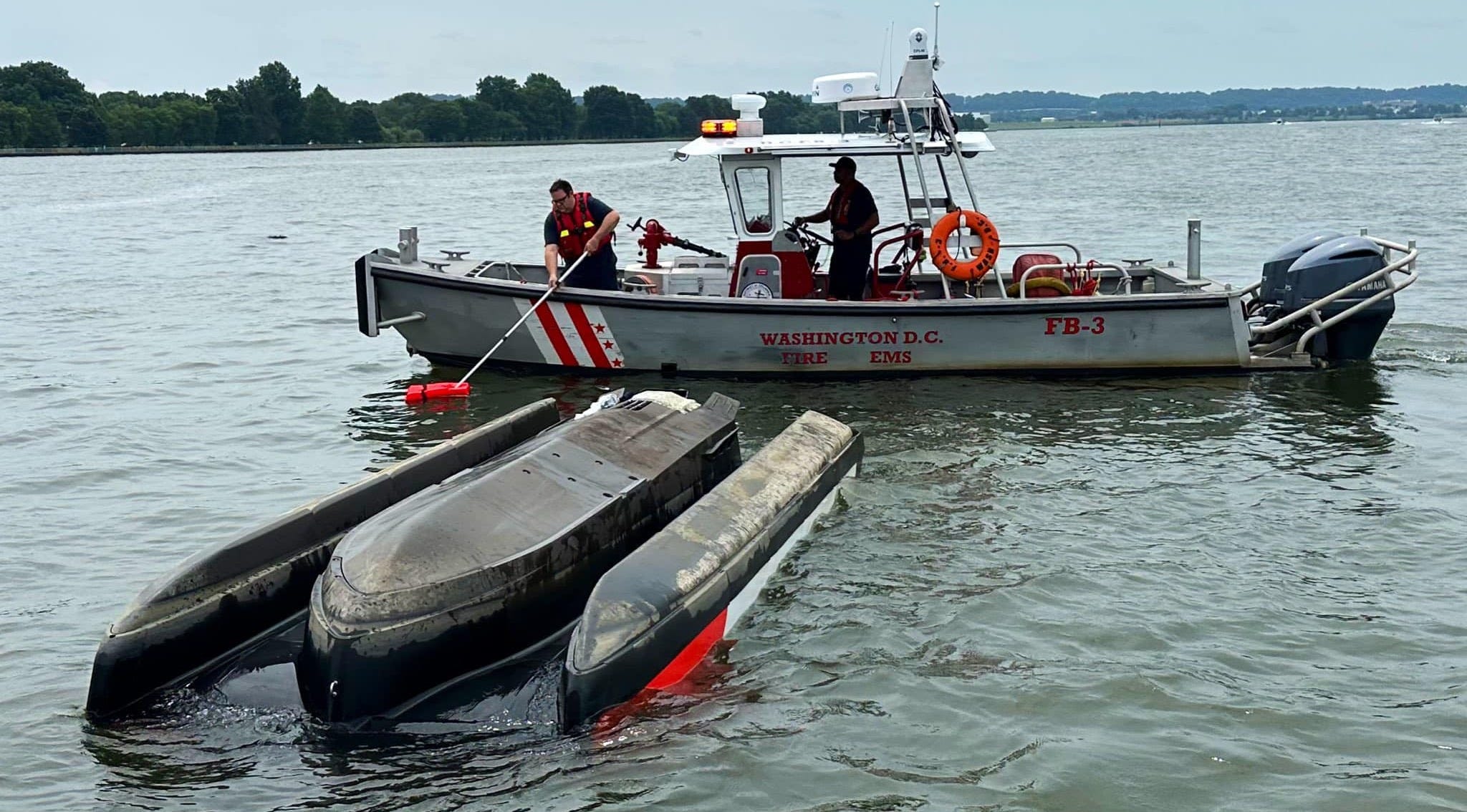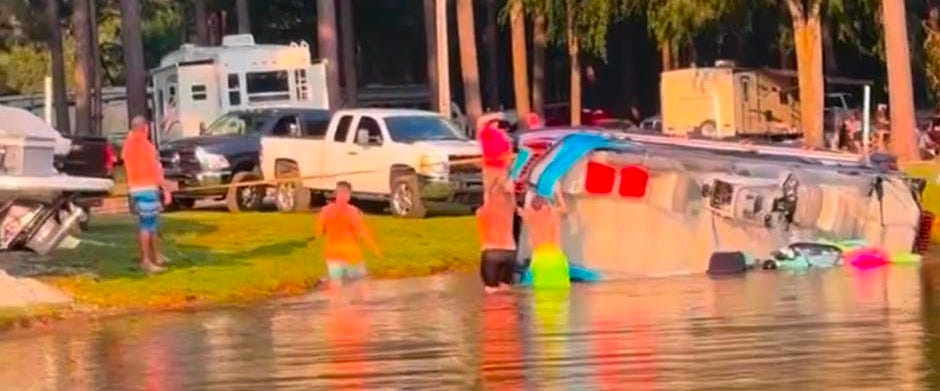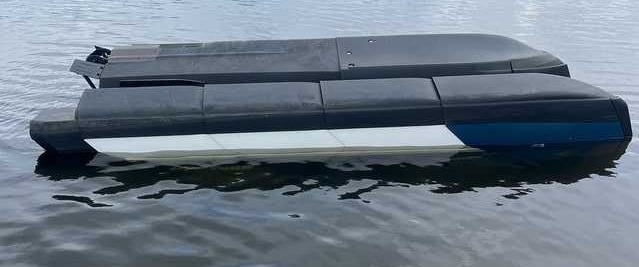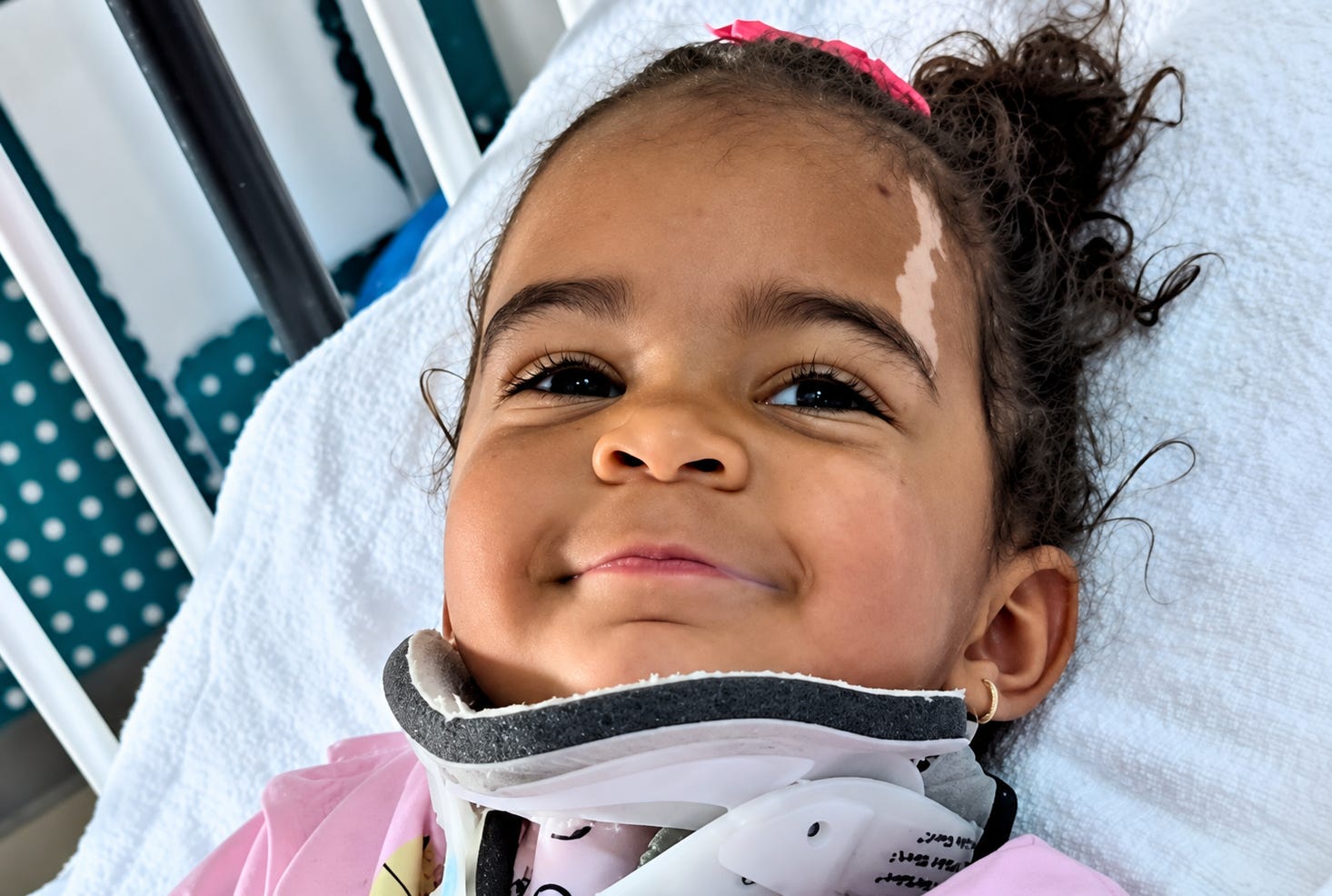
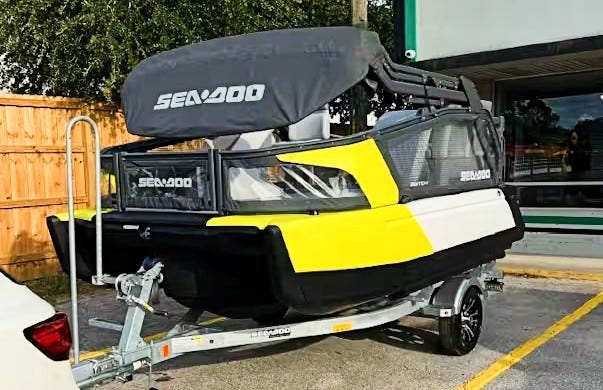
Bombadier Recreational Products has agreed to settle a lawsuit brought by the family of a brain-damaged little girl who nearly drowned on August 25, 2024. Her family’s 13-foot Sea-Doo Switch flipped over forward as dad slowed the boat down while approaching the Knight’s boat ramp at the mouth of Black Creek.
Introduced in 2021, the Switch is a hybrid jetski-pontoon boat that was marketed to first-time buyers and novice boaters as an inexpensive craft for family fun on the water. The Grullon family fit that description to a T; its breadwinner bought his while operating a car detailing business here in Clay County.
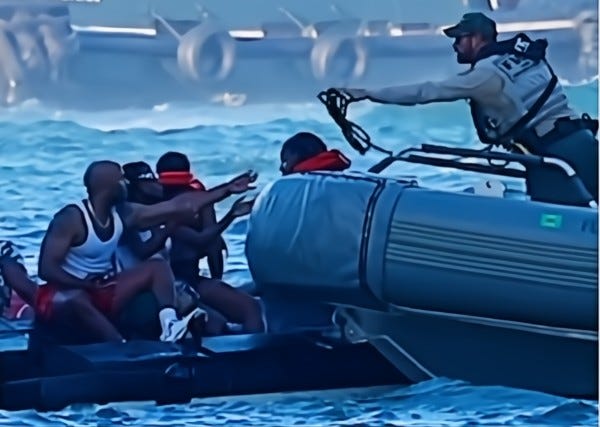
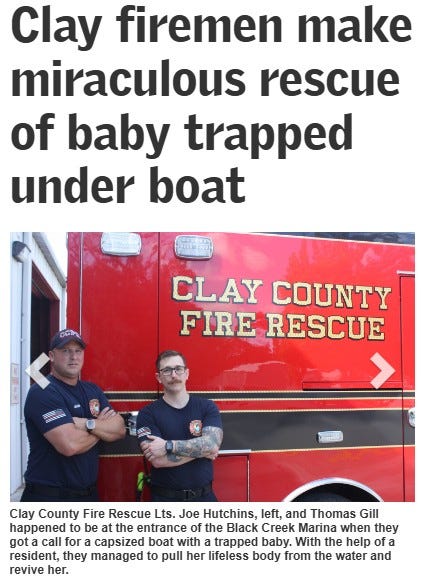
Just 15 months old, Vianca Grullon was trapped beneath the vessel when it capsized. Her lifejacket pinned her against the floor of the overturned boat, out of easy reach of family members, who themselves needed rescue. She was underwater for around 10 minutes before passing firefighters managed to pull her out.
The $30 million lawsuit filed by family against BRP and the Jacksonville Sea-Doo dealership noted that Vianca had suffered “permanent neurological damage” and would require 24-hour care for the rest of her life.

Parties to the Duval County court case notified the judge in August that they had reached a settlement. Pending examination by a “guarding ad litem” to ensure Vianca’s interests were represented, the lawsuit is scheduled to be dismissed later this month.
Even though the family had sought $30 million, the nature of litigation in America almost surely indicates that a lesser amount has been agreed upon. No public record says how much, and neither party will comment on any details of the agreement. That’s a standard practice.
In its court filings, BRP blamed the accident entirely on operator error on the part of William Grullon, Vianca’s father.
This is the second settlement so-far in deaths that happened when a Switch flipped forward while decelerating. A Virginia nine-year-old was declared dead on July 4, 2024 two days after her dad’s new Switch “literally flipped” on Lake Anna, a popular recreational venue about 72 miles south of Washington, D.C. She too was trapped underneath the vessel and died by drowning.
A little over a year later, the Virginia case was apparently settled without ever getting into court. No one would talk about that one, either. A third wrongful death lawsuit was filed last month after three woman died on Flagstaff Lake in Maine in August 2025—again, because a Sea-Doo Switch flipped over forward while slowing down.
The circumstances of the Maine case are described in the linked story below. The one below that describes two class-action suits filed against BRP on behalf of all Switch owners.


The Sea-Doo Switch comes in three sizes—13, 18 and 21 feet. They are powered by Rotax water jet engines and can go over 35 mph, but—counterintuitively—going too fast has not been the issue.
All these lawsuits make the same argument: Water weighs a little more than eight pounds per gallon. A design flaw allows some number of gallons to seep inside Switch hulls and flow freely therein. Whenever the vessel suddenly decelerates, that water rushes forward, plunging the boat’s bows downward beneath the surface and causing the boat to flip.
The federal lawsuits also allege that three BRP corrective recalls—sealent repair in February 2025, a gasket repair in October 2025 and software throttle control measure in May 2026—all failed to fix problems caused by poor hull design.
The first public articulation describing the Switch’s “quirky” performance was made by Clay News & Views, after the author began investigating the Florida accident and asked himself, “How much does water weigh?”
After reading CN&V coverage of Switch accidents, U.S. Coast Guard product safety people launched an investigation of their own. In October, the Coast Guard declared that these vessels presented a “capsizing hazard.”

“These capsizings have occurred when the vessel was operated with trim by the bow and the bow ‘digging into’ the water. Weather conditions and poor seamanship do not appear to be significant contributing factors,” investigators wrote.
Responding on social media to all this, Switch owners had mixed opinions, but most ignored the Coast Guard and echoed the BRP company line instead. The gist was that since they themselves had never flipped or come close to flipping, all the Switch operators who had must have been incompetent boat handlers. They must have had too many people forward, overloading the bow.